


Allergies aren't fun for anyone, but especially not for your dog, who can't tell you what's wrong. Food allergies and food intolerances can be a real pain for you and your dog, and they can be tricky to get to the bottom of. An abnormal response to a certain ingredient in food is usually referred to by vets as an ‘adverse food reaction’, or AFR. There are two main types of adverse food reactions: allergies, where the immune system is involved, and food intolerances, which occur without an immune component. Allergies tend to occur in reaction to protein components of the food, such as beef or chicken.
What causes adverse food reactions such as allergies?
The most common causes of food allergies/intolerance in dogs are protein sources, such as beef, chicken, dairy products and wheat. It may take months or years before your dog develops an allergic response to a particular food. However, once this has happened, there will almost always be an ongoing negative reaction to that food.
Adverse food reactions (AFRs) can occur at any age and usually last a lifetime. Some dog breeds appear more likely to develop AFRs, including West Highland white terriers, cocker spaniels and Irish setters.
You don’t need to get hung up on exactly what type of AFR your dog has, since the process for diagnosis and treatment are the same.
What are the signs of food allergies and intolerances in dogs?
The most common signs of an AFR are digestive upsets, skin irritation, or a combination of the two. Skin lesions on dogs with AFRs are frequently located on the face, feet, groin and ears.
Food allergies often mimic other skin diseases, and many dogs have other allergies, such as flea-bite sensitivity and atopy, at the same time. Atopy is an allergy to things in the environment such as pollen, dust mites and grasses. Dogs with chronic or recurring external ear inflammation and infections should also be evaluated for food allergies.
If your dog has an adverse food reaction, you may notice some or all of the following signs:
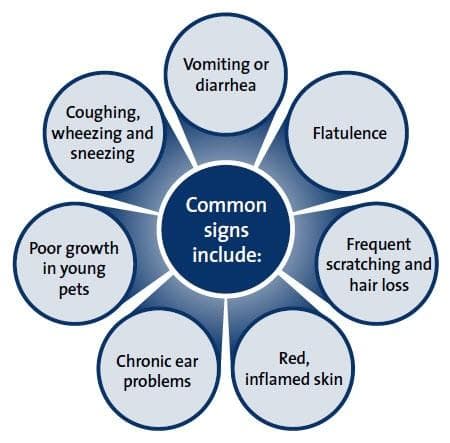
Vomiting or diarrhoea
Poor coat condition
Flatulence
Frequent scratching or hair loss
Red, inflamed skin
Chronic ear problems
Poor growth in young dogs
IMPORTANT: Some signs of AFRs are similar to those of other serious conditions, so consult your veterinarian if you notice any of these signs.


Γευστικές συμβουλές
How are food allergies diagnosed and treated?
The way your vet will approach diagnosing your dog’s AFR will depend on the clinical signs. Because both skin and gastrointestinal signs can mimic lots of other diseases, your vet may need to do skin scrapes and swabs and skin allergy testing. Ruling other things out is as important as ruling food allergy or intolerance in. With skin symptoms particularly, this can be a lengthy process, so be patient with your vet.
The main goal in diagnosing and managing food allergies or intolerances is to find and avoid the food ingredient responsible. The most practical and accurate method is a food elimination trial. There are two common approaches to this:
Hydrolysed diets. These are diets in which the protein source has been hydrolysed. This means that it has been broken into tiny parts that are too small for the body’s immune system to recognise as proteins. The carbohydrate sources will usually have been purified to take out the protein components and just leave the carbohydrate.
Novel protein diet. These diets are, as they sound, aimed at feeding your dog a protein that they have never been exposed to before, such as venison or duck.
Hydrolysed diets tend to be preferred for two main reasons. Firstly, in theory, you can feed these foods to any dog with any food allergy. Secondly, many people do not know exactly what proteins their dog has been exposed to, so finding a novel one may be a little uncertain.
Doing a food elimination trial
Transition to the new food. Your vet will ask you to gradually change your dog’s food over 5-7 days. You can do this by replacing a ⅕ of your dog’s old food the first day and then increasing the proportion of new food each day until they are eating only that food.
Cut out ALL extras. It’s essential during the trial that your dog only eats the therapeutic diet your vet has recommended. Treats, extras and chews should all be removed. Your vet may be able to recommend hypoallergenic treats or give you a recipe to make baked treats at home from the special diet.
Stay the course! It’s very important that you follow your vet’s instructions for how long the trial needs to be. For gut symptoms like vomiting and diarrhoea, this may only be 3-4 weeks, but for skin symptoms, you will need to stick with it for around 12 weeks to give the skin cycle time to show improvement.
Never try to simply remove ingredients from your dog's diet because you could easily end up malnourishing them.
What next?
When you get to the end of the elimination trial, you should have your answer as to whether your dog has an AFR or not. If not, then your vet will continue their work-up. If your dog is miraculously better, then you can both breathe a sigh of relief! What you do next depends on whether you want to know exactly what your dog is reacting to. If so, you can challenge your dog by adding a single protein source to the therapeutic diet for a couple of weeks. For example, add some cooked chicken breast every day and see what happens, then try beef or wheat, etc.
Many pet parents are so relieved that their dog feels better that they choose to simply stay on the special food. It keeps things simple!
While food allergies can be tricky to diagnose and cause a real headache (or tummy ache) for you and your dog, once they have been diagnosed, most dogs can go on to have normal lives by simply avoiding the offending food.
If your dog doesn’t respond to a food elimination trial, your vet may continue the process of ruling other skin and allergy issues in or out. This can take a while, so be patient and work with your vet to get to the bottom of things. Of course, your dog may have more than one type of allergy and may respond partially to a food trial but need more care for a different issue.
FAQs
What are the first signs of food allergies in dogs?
Some dogs get itchy skin and ears, while others have gastrointestinal symptoms like vomiting and diarrhoea – and some unlucky individuals get both!How do vets diagnose food allergies and intolerances?
Ultimately by doing a food elimination trial. Your vet may do other tests as well to rule out other diseases, depending on your dog’s symptoms.What’s the best diet for dogs with food allergies?
This will depend on what your dog is allergic to. Hydrolysed diets can be fed to any dog with an adverse food reaction. Your vet will advise you about your individual dog.How long does it take to see an improvement on a hypoallergenic diet?
Gastrointestinal symptoms usually resolve in 3-4 weeks, sometimes sooner. Skin symptoms can take up to 12 weeks, as the skin is much slower than the gut to heal and recover.Can you blood test for food allergies?
While there are blood tests available for food allergies, these are not currently reliable and are best avoided.
Reviewed by Dr. Hein Meyer, DVM, PhD, Dipl-ECVIM-CA and Dr. Emma Milne BVSc FRCVS.

Σχετικά προϊόντα
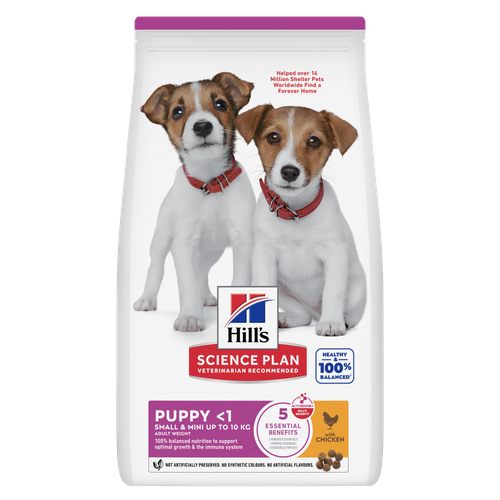
HILL'S SCIENCE PLAN Puppy Small & Mini Τροφή για Κουτάβια με Κοτόπουλο
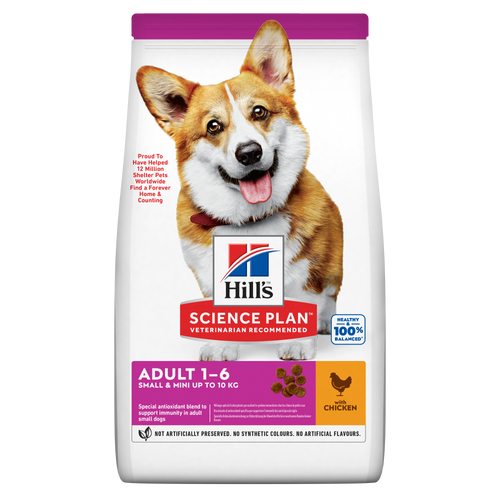
HILL'S SCIENCE PLAN Adult Small & Mini Τροφή για Σκύλους με Κοτόπουλο
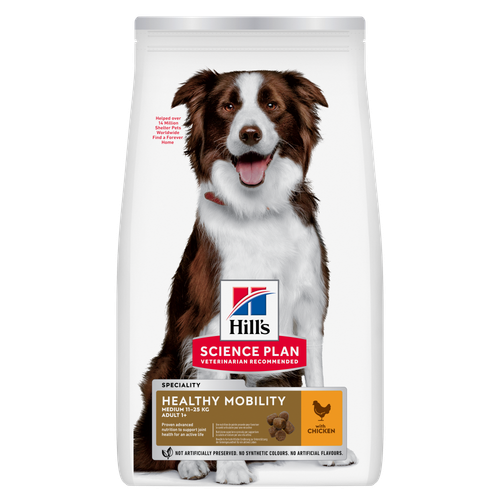
Healthy Mobility Τροφή για Ενήλικους Σκύλους Μεσαίας φυλής
Η Hill's Science Plan Healthy Mobility Τροφή για Ενήλικους Σκύλους Μεσαίας φυλής με Κοτόπουλο παρέχει προηγμένη διατροφή για υποστήριξη της υγείας των αρθρώσεων και τη βελτίωση της κινητικότητας.
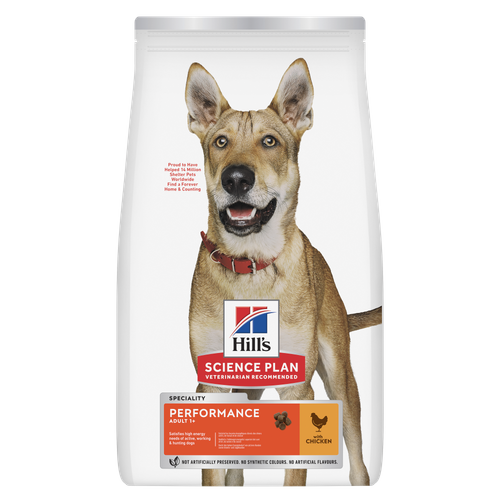
Η Hill's Science Plan Performance Τροφή για Ενήλικους Σκύλους με Κοτόπουλο έχει διαμορφωθεί για να πληροί τις πρόσθετες ενεργειακές ανάγκες δραστήριων σκύλων, σκύλων εργασίας και σκύλων κυνηγιού.
Σχετικά άρθρα

Πώς να καταλάβετε αν ο σκύλος σας πάσχει από στομαχικές διαταραχές & πώς να τις αντιμετωπίσετε
Μάθετε πώς να αναγνωρίζετε αν ο σκύλος σας υποφέρει από στομαχικές διαταραχές ή ευαίσθητο στομάχι, πώς θα το αντιμετωπίσει ο κτηνίατρος και πώς η διατροφή μπορεί να βοηθήσει.
Γιατί τα Λαμπραντόρ είναι πάντοτε πεινασμένα; Κορεσμός: τι λέει η επιστήμη
Ανακαλύψτε τους επιστημονικούς λόγους που κρύβονται πίσω από την ακόρεστη όρεξη του Λαμπραντόρ σας. Μάθετε περισσότερα για τις διατροφικές ανάγκες του κατοικίδιου ζώου σας στην ιστοσελίδα της Hill's Pet.
Τι να κάνω σχετικά με τον υπέρβαρο σκύλο μου
Η παχυσαρκία των σκύλων είναι ένα σοβαρό πρόβλημα. Μάθετε λοιπόν περισσότερα για το πώς θα βοηθήσετε τον σκύλο σας να αποκτήσει καλλίγραμμο και υγιές σώμα μέσω της βελτίωσης της διατροφής του.
Νεφροπάθεια στους σκύλους: Αιτίες, συμπτώματα και θεραπείες
Ανακαλύψτε τις αιτίες, τα συμπτώματα και τις θεραπείες της νεφρικής νόσου και βρείτε μεθόδους υποστήριξης της υγείας των νεφρών του σκύλου σας. Περισσότερες πληροφορίες στην ιστοσελίδα της Hill's Pet.
Βάλτε το σκύλο σας σε δίαιτα χωρίς να το καταλάβει
Η φόρμουλά μας, με χαμηλές θερμίδες, βοηθά στον έλεγχο του βάρους του σκύλου σας. Είναι πλούσια σε πρωτεΐνη υψηλής ποιότητας για την ενίσχυση της άπαχης μυϊκής μάζας και παρασκευάζεται με επιλεγμένα συστατικά, προσφέροντας ένα γευστικό και θρεπτικό γεύμα. Τα κλινικά αποδεδειγμένα αντιοξειδωτικά, όπως η βιταμίνη C και η E, συμβάλλουν στην ενίσχυση του ανοσοποιητικού συστήματος.
Βάλτε το σκύλο σας σε δίαιτα χωρίς να το καταλάβει
Η φόρμουλά μας, με χαμηλές θερμίδες, βοηθά στον έλεγχο του βάρους του σκύλου σας. Είναι πλούσια σε πρωτεΐνη υψηλής ποιότητας για την ενίσχυση της άπαχης μυϊκής μάζας και παρασκευάζεται με επιλεγμένα συστατικά, προσφέροντας ένα γευστικό και θρεπτικό γεύμα. Τα κλινικά αποδεδειγμένα αντιοξειδωτικά, όπως η βιταμίνη C και η E, συμβάλλουν στην ενίσχυση του ανοσοποιητικού συστήματος.